
Kalpana Chawla
Key Impact
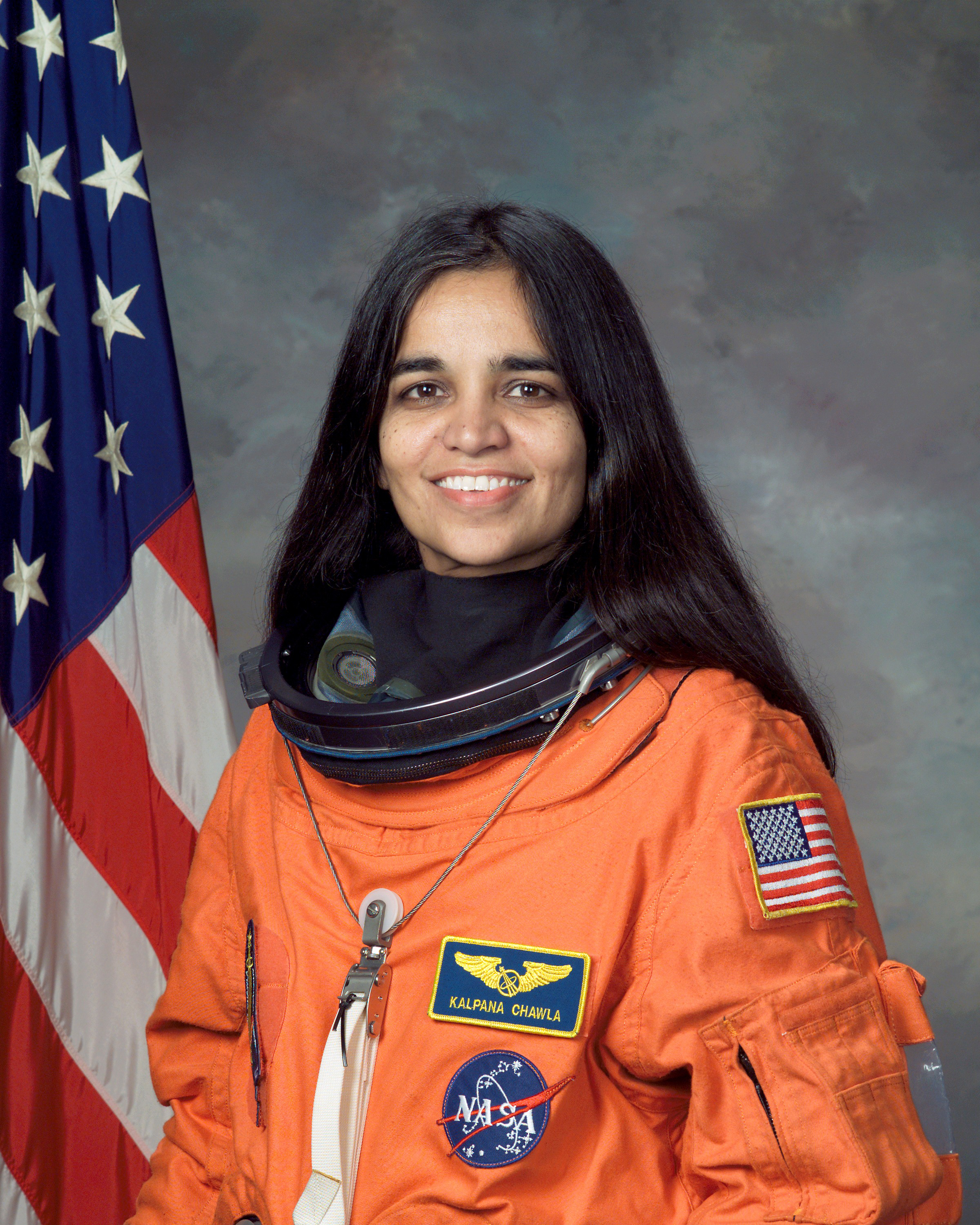
A girl from Karnal who became the first woman of Indian origin selected by NASA to fly to space, and flew twice before her death aboard Space Shuttle Columbia in 2003.
“The path from dreams to success does exist. May you have the vision to find it.”
- Kalpana Chawla
The Vision & Early Struggle
Kalpana Chawla was born in 1962 in Karnal, Haryana, at a time when it was unusual for a young Indian woman to pursue aeronautical engineering at all, let alone dream of space. She studied engineering in India before moving to the United States for graduate study, eventually earning a doctorate in aerospace engineering. She joined NASA's Ames Research Center and, in 1994, was selected as an astronaut candidate, becoming the first woman of Indian origin, and the second person born in India, to be selected to fly to space.
The Betrayal / The Devastating Failure
Chawla's first spaceflight, aboard the Space Shuttle Columbia in 1997, was a technical success but was followed by scrutiny over a robotic arm procedure that hadn't gone as planned, an experience she worked through and returned from stronger, determined to fly again. In 2003, she was selected for a second mission, again aboard Columbia, fulfilling the ambition of returning to space after the difficulties of her first flight.
The Rise & Eternal Legacy
On February 1, 2003, Space Shuttle Columbia disintegrated during re-entry into Earth's atmosphere, killing all seven crew members, including Chawla, just minutes before its scheduled landing. The disaster was later traced to damage sustained during launch. Chawla's death was mourned across India and the United States alike, and she remains one of the most widely honored Indian-origin figures in the history of space exploration, with institutions, streets, and a satellite series named in her memory.
Youth Mindset & Civic Responsibility Key Takeaways
Chawla's life is a story of a specific, unlikely dream, an Indian girl in Karnal aiming for space, pursued with total seriousness rather than treated as fantasy. She did not let an early setback on her first mission define her, choosing instead to fly again. For young people, especially young women in fields where they remain a minority, her life is evidence that a dream doesn't need to be common to be worth building an entire education and career around.
More from Scientists


Written from well-documented historical record. History involves real complexity and, in some cases, ongoing scholarly debate: this is a starting point for inspiration, not a substitute for deeper reading.