
Abraham Lincoln
Key Impact
A self-taught rail-splitter who lost election after election, then led the United States through its most devastating war and issued the Emancipation Proclamation ending slavery.
“A house divided against itself cannot stand.”
- Abraham Lincoln
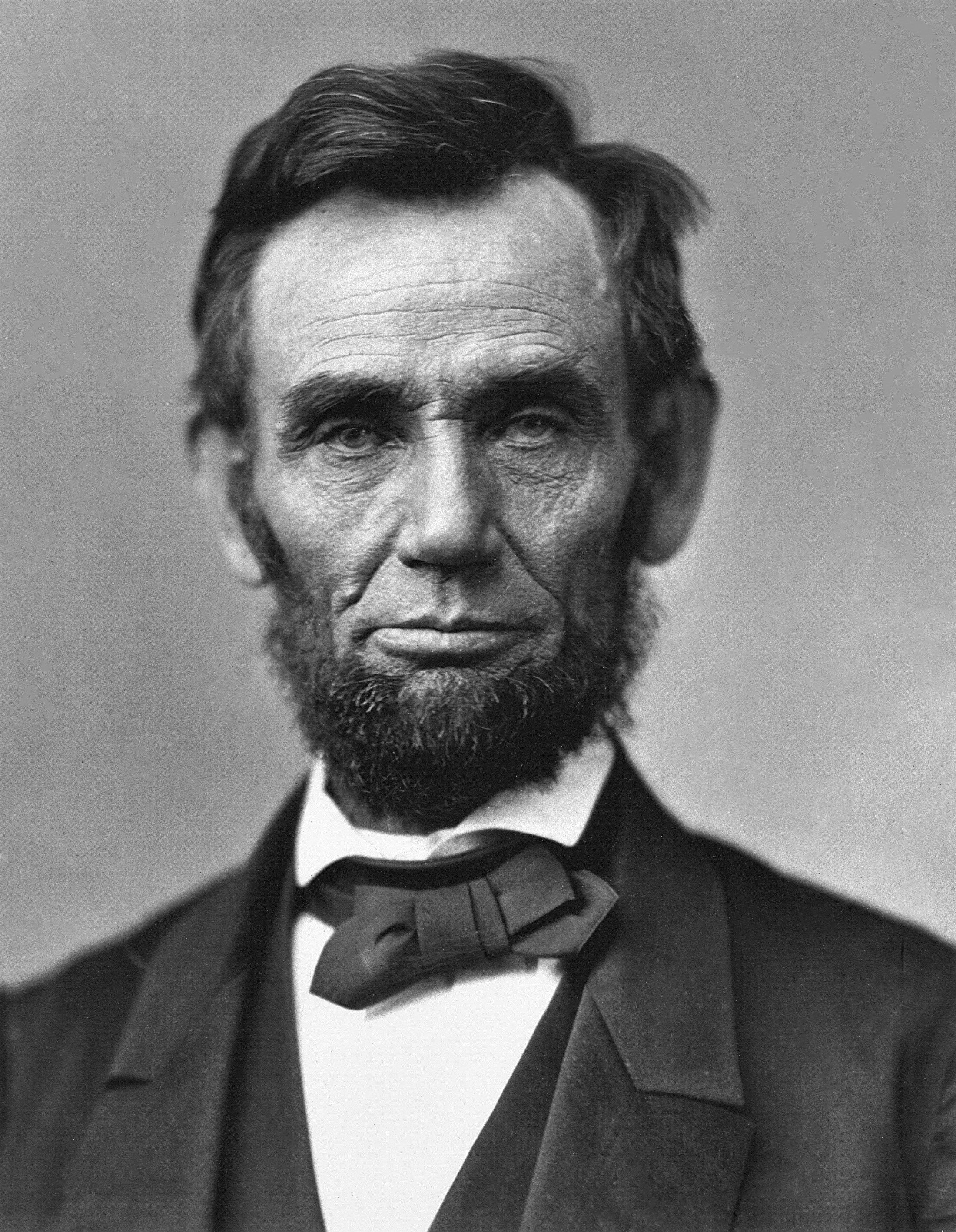
The Vision & Early Struggle
Abraham Lincoln was born in a one-room log cabin on the American frontier and had less than a year of formal schooling in total, teaching himself law and rhetoric largely through borrowed books read by firelight. Before reaching the presidency he endured a long string of political failures: he lost his first run for state legislature, failed in business, suffered a nervous breakdown, and lost bids for the U.S. Senate, a record of repeated public defeat rare for someone who would go on to lead his country.
The Betrayal / The Devastating Failure
Elected president in 1860 on an anti-slavery-expansion platform, Lincoln immediately faced the secession of Southern states and the outbreak of the American Civil War, the deadliest conflict in American history. He faced fierce criticism from all directions, abolitionists who thought he moved too slowly, and opponents who thought he moved at all, while managing a fractured cabinet, a divided public, and battlefield losses that at several points made the war's outcome, and his own political survival, genuinely uncertain.
The Rise & Eternal Legacy
In 1863 Lincoln issued the Emancipation Proclamation, declaring enslaved people in Confederate territory free and reframing the war's purpose around ending slavery, a decision that carried enormous political risk. The Union's eventual victory preserved the United States as one nation and led to the Thirteenth Amendment abolishing slavery. Days after the war's effective end, in April 1865, Lincoln was assassinated, never seeing the full peace he had spent four years fighting to secure.
Youth Mindset & Civic Responsibility Key Takeaways
Lincoln's decades of political failure before his presidency, and his willingness to keep running again despite them, show that persistent setback is not incompatible with eventually doing consequential, history-shaping work. For young people, his life argues that holding a fractured coalition together through crisis, absorbing criticism from every direction without abandoning a core principle, is its own difficult form of leadership, distinct from and just as demanding as any single decisive act.
More from Governance & Nation-Building


Written from well-documented historical record. History involves real complexity and, in some cases, ongoing scholarly debate: this is a starting point for inspiration, not a substitute for deeper reading.