
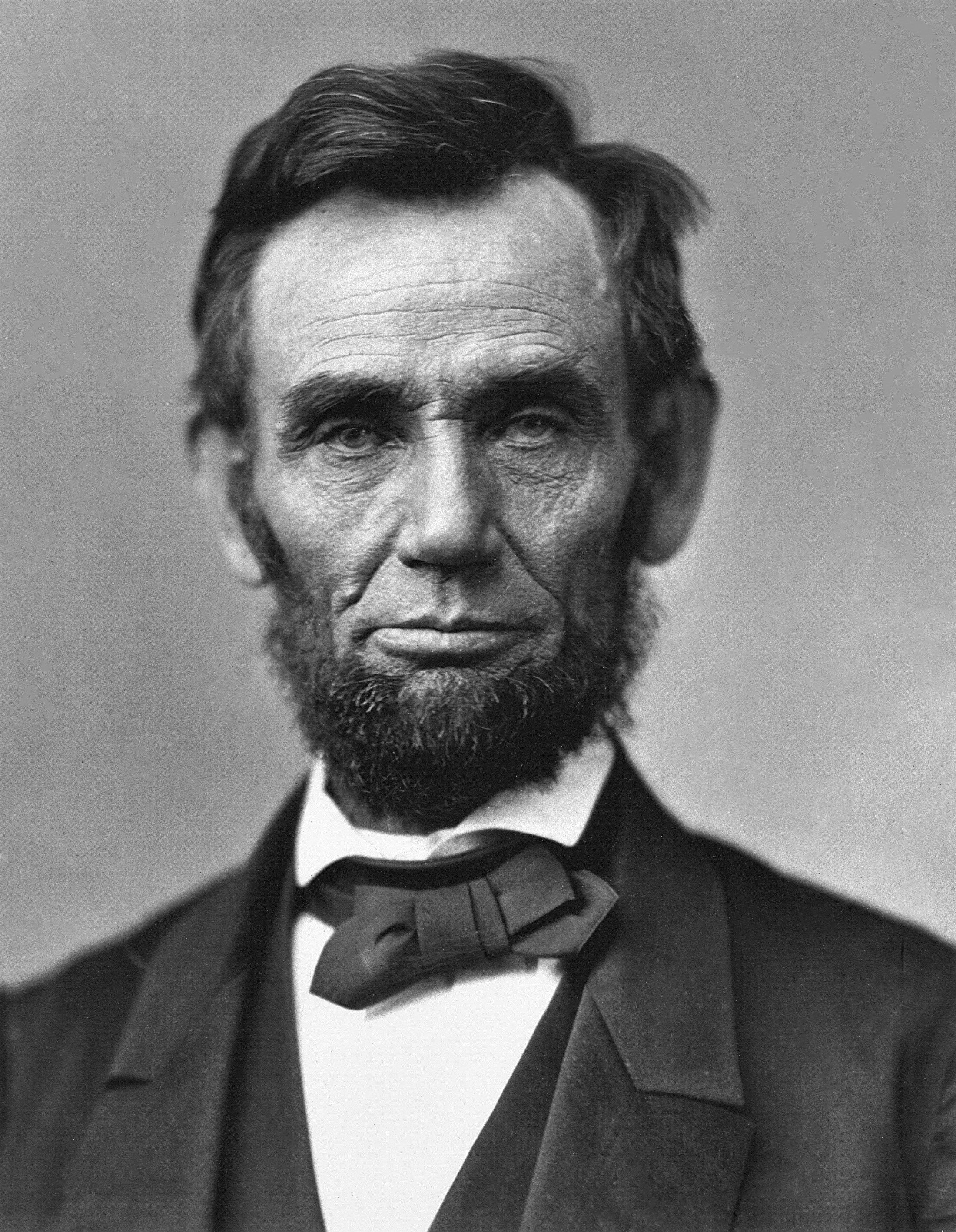
Sardar Vallabhbhai Patel
Key Impact
As independent India's first Home Minister, negotiated and, where necessary, forced the integration of over 560 princely states into one nation within roughly a year.
“The Iron Man who united five hundred princely states into one India.”
- Sardar Vallabhbhai Patel

The Vision & Early Struggle
Vallabhbhai Patel trained as a lawyer in England, returning to build a successful legal practice in Gujarat before Gandhi's influence drew him fully into the freedom movement. He first rose to national prominence leading the Bardoli Satyagraha of 1928, a farmers' tax protest that succeeded without violence and earned him the title "Sardar" (chief) from the grateful peasants he had organized. Through the 1930s and 40s he became one of the Congress party's most effective organizers, a builder and negotiator working alongside more visible leaders like Gandhi and Nehru.
The Betrayal / The Devastating Failure
At independence in 1947, India faced a problem few remember today as the near-catastrophe it was: over 560 princely states, each technically free to join India, join Pakistan, or remain independent, with the potential to fracture the new country before it had even begun. As the first Deputy Prime Minister and Home Minister, Patel took on the task of integrating them, a process that required equal parts persuasion, negotiation, and, in a handful of holdout cases like Hyderabad and Junagadh, decisive force.
The Rise & Eternal Legacy
Within roughly a year, Patel had brought nearly every princely state into the Indian Union, a diplomatic and administrative achievement historians consider one of the great state-building efforts of the twentieth century, arguably preventing the kind of fragmentation that partition had already inflicted on the subcontinent. It earned him the enduring title "Iron Man of India," and it is why the Statue of Unity, the tallest statue in the world, was built in his honor in Gujarat.
Youth Mindset & Civic Responsibility Key Takeaways
Patel's legacy is less about dramatic gestures and more about the unglamorous, relentless work of actually holding a fragile new nation together, negotiation by negotiation, state by state. For young people, his life is a reminder that the most consequential work is often administrative and patient rather than dramatic, and that unity, once achieved, is not automatic. It has to be built, deliberately, by people willing to do the difficult, detailed work no one else wants to do.
More from Governance & Nation-Building


Written from well-documented historical record. History involves real complexity and, in some cases, ongoing scholarly debate: this is a starting point for inspiration, not a substitute for deeper reading.